Establish a Regional Tourism Energy & Sustainability Task Force
Launch the annual "Green Tourism Forum" in Gran Canaria

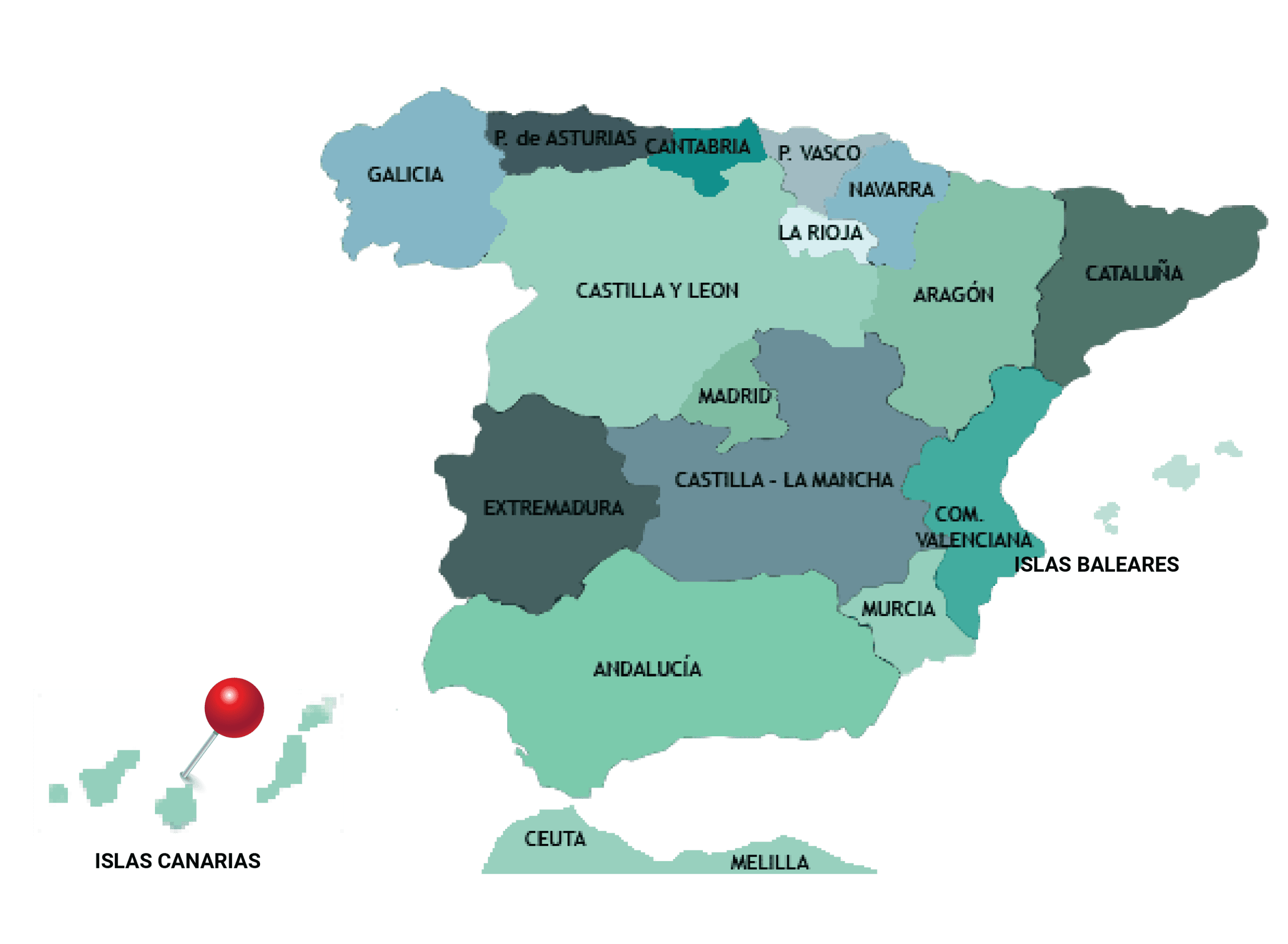
The services sector—especially tourism—drives the Canary Islands’ economy, accounting for nearly 40% of GDP and employment.
Millions of visitors each year make it one of the world’s leading tourist destinations.
While not industrially heavy, the islands hostkey energy-intensive activities, notably desalination.
Supplying fresh water to residents, agriculture, and tourism consumes over 10% of total electricity, making it a top priority for energy efficiency and renewable integration



The region is strengthening its innovation ecosystem, led by institutions such as:

The Canary Islands stand out as front-runners in:

Establish a Regional Tourism Energy & Sustainability Task Force
Launch the annual "Green Tourism Forum" in Gran Canaria
Align Policies under a "Tourism for Sustainability Pact"
Enact Targeted Legislation
Expand Data Infrastructure for the Tourism Sector
Launch at least 3 public awareness campaigns on Energy and Water Use
Establish a university-industry "Living Lab" program
Track Carbon Footprints at Business Level - aim for 100 SMEs
Launch a support initiative to retrofit existing hotel infrastructure
Retrofit 10 large hotels by 2030 and reduce energy use per guest-night by 30%
Advance transport electrification in key tourist areas
Convert 25% of public bus fleets in tourist-heavy areas to electric.
Expand Renewable Generation Linked to Tourism Areas
Scale the Innovation Ecosystem through Public-Private Partnerships
Incubate at least 5 startups or pilot projects in tourism tech
Improve Energy-Water Nexus Resilience
Upgrade 1 desalination plant with energy recovery systems.
Pilot circular water systems in 2-3 tourist facilities
Train 500 workers in green tourism competencies